
The Procedure
The doctor explains each step, the anaesthetic plan, how long the ring may remain and the follow-up arrangements.
Information and individual assessment for parents considering circumcision for their baby or child. The consultation covers suitability, pain management, risks, aftercare and fees.


The doctor reviews your baby’s age, health history and your reasons for considering circumcision, and answers your questions.
If you are travelling to Adelaide, contact reception to ask whether a phone consultation is appropriate before an in-person assessment.
The doctor explains age-appropriate procedure options, including whether the Plastibell method may be suitable.
Anaesthesia, pain relief, possible benefits, risks, alternatives and total fees are discussed before you decide.
Written parental consent is required before any procedure is scheduled.
If the procedure is suitable, the clinic confirms an available date after consultation and consent.
You receive written preparation instructions and information about what to bring on the day.
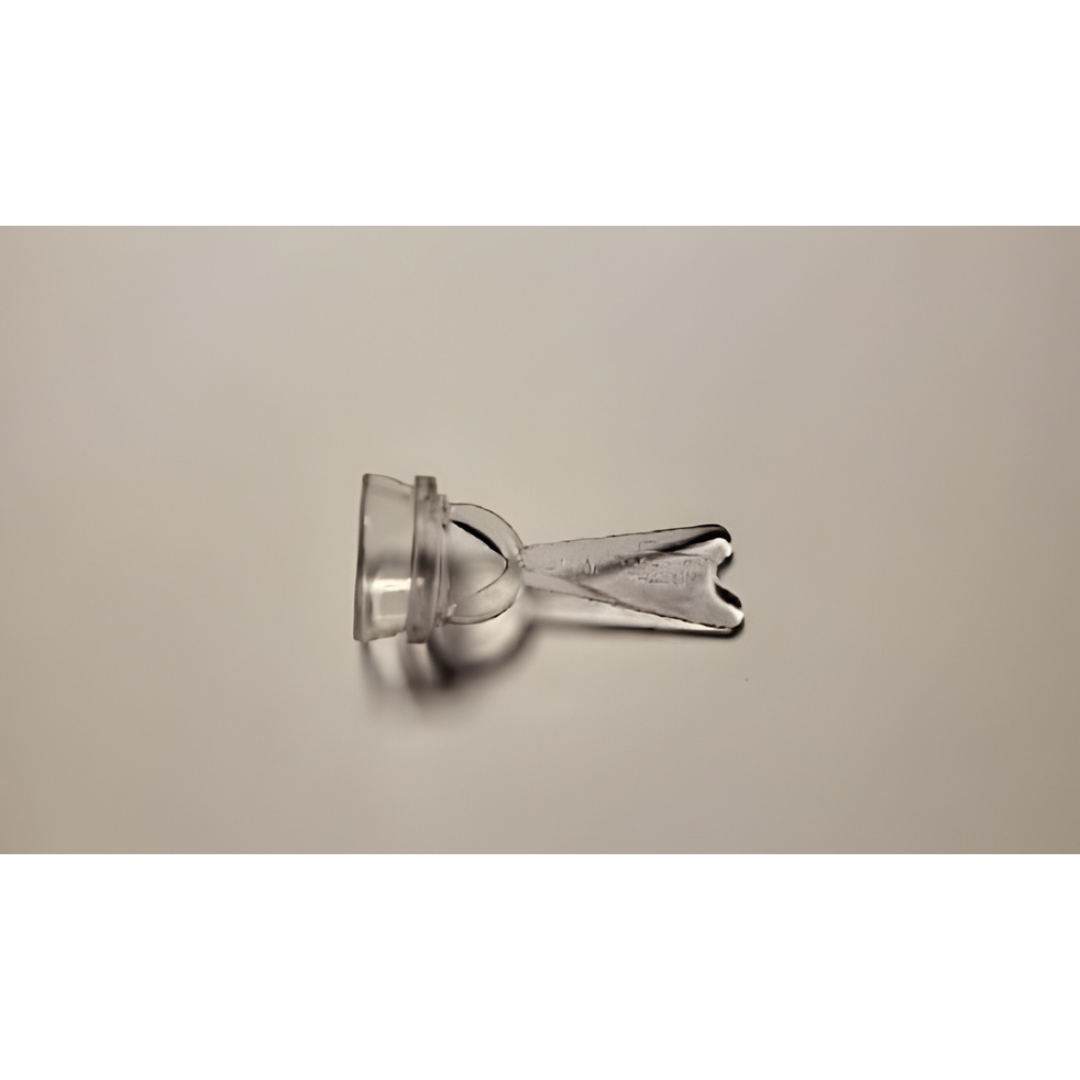
Plastibell is one method that may be considered for infant circumcision. Suitability depends on age, size, health history and clinical assessment.
The doctor explains each step, the anaesthetic plan, how long the ring may remain and the follow-up arrangements.
A sterile plastic ring is positioned by the doctor as part of the circumcision procedure.
The ring remains in place for several days and usually separates on its own. Timing varies, and parents receive monitoring instructions.
Parents receive written instructions for hygiene, pain relief, expected changes and when to contact the clinic.
Routine infant circumcision is not recommended for every baby in Australia. Parents may consider it for personal, cultural or religious reasons, or when clinically advised. The consultation should cover possible benefits, risks and alternatives.

Timing depends on the child and technique. The clinic observes your baby before discharge and explains the follow-up plan.
Follow the written wound-care instructions. Give pain medicine only as directed by the treating clinician, and monitor the area and your baby’s general wellbeing.
Contact the clinic urgently for persistent bleeding, worsening swelling or redness, fever, increasing pain, difficulty passing urine, or if the device moves unexpectedly.
Procedure fees vary by age and suitability must be confirmed at consultation. Consultation fees may apply. A Medicare rebate may be available only when circumcision is medically indicated and eligibility requirements are met; confirm all fees and eligibility with the clinic.
Consultation fees may apply. Ask whether bulk billing is available. Payment is due on the day of the procedure. Prices may change without notice.
Medicare rebates do not apply when circumcision is solely for cultural or religious reasons. Eligibility and any rebate must be confirmed with the clinic.

Book a consultation to discuss your child’s age, suitability, procedure options, pain management, risks, aftercare and fees.
Read answers about suitability, procedure options, pain management, recovery, warning signs, fees and follow-up.
View all FAQsAge alone does not confirm suitability. The clinic must assess the baby’s age, size, health history and individual circumstances before a procedure is scheduled.
Pain experience varies. The doctor explains anaesthesia and pain relief before treatment, and parents receive written instructions for safe pain management at home.
The source price guide ranges from $600 to $1,100 depending on age. Consultation fees may apply, and all current fees and any potential Medicare eligibility must be confirmed with the clinic.
Healing time varies by child and technique. Attend the planned follow-up and contact the clinic promptly about worsening redness, swelling, bleeding, fever, pain or difficulty passing urine.